From Ottoman Monopoly to Modern Privatization
Origins and Establishment
Tekel’s history stretches back to the mid-19th century, when the Ottoman Empire established a tobacco monopoly managed by a foreign-run company known as the Régie. With the establishment of the Turkish Republic, the state nationalised this operation, and in 1925 Tekel was formally created to oversee tobacco, alcohol, and salt production and distribution. Over decades, Tekel evolved into a powerful state economic enterprise under the name Tobacco and Tobacco Products, Salt and Alcohol Enterprises General Directorate, playing a major role in Turkey’s industrial and social fabric.
What Tekel Produced
Tekel’s operations spanned several major industries:
- Tobacco and Cigarettes: Tekel was for many years the primary domestic cigarette manufacturer, with a range of well-known Turkish brands.
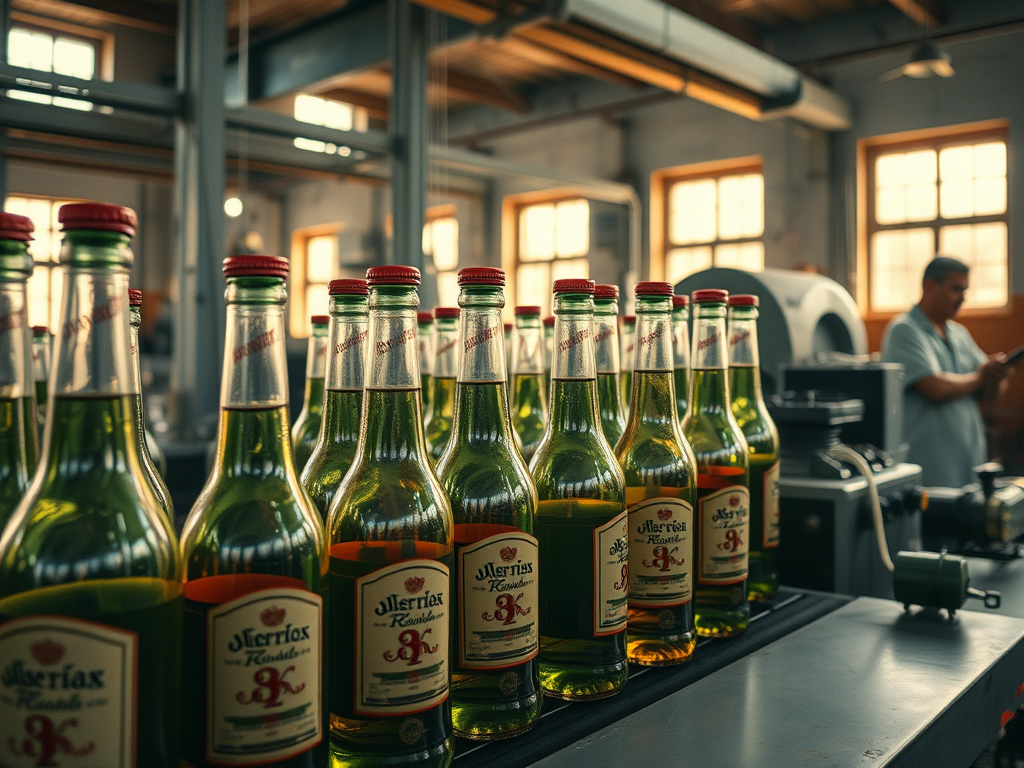
- Alcoholic Beverages: It produced wine, beer, raki, and other spirits. Notably, it created Ankara Whisky, Turkey’s first whisky.
- Salt: Tekel had a monopoly over salt production and supply in Turkey.
- Other Activities: In addition to production, Tekel handled import-export, ran duty-free shops, maintained research labs, and supported tobacco farmers through purchasing and storage operations.
Tekel as a State Monopoly
Tekel operated not just as a manufacturer but as a regulator-producer hybrid: it controlled procurement, pricing, and distribution, supporting farmers and stabilising the market. Starting from the 1980s, economic liberalisation began to shift its monopoly, and by 2002 the regulatory functions of Tekel were separated, setting the stage for its eventual privatization.
Privatisation and the Breakup of Tekel
Tekel’s breakup came in phases and involved some of the most significant privatizations in modern Turkish economic history.
Alcohol Division
- In 2004, the alcohol division was sold to a Turkish consortium and rebranded as Mey İçki.
- Mey İçki became a dominant force in Turkish spirits, holding around 85% market share in raki, and leading in vodka and wine.
- In 2011, Diageo, a global alcoholic beverage company, acquired Mey İçki, further professionalising operations and expanding its reach.
Tobacco Division
- In 2008, the tobacco arm of Tekel was sold to British American Tobacco (BAT).
- The deal included production facilities, brands, and infrastructure, and many former Tekel workers transitioned to the private company.
Major BAT-Owned Tekel Brands
After the acquisition, BAT retained and continued producing many of Tekel’s legacy cigarette brands, including:
- Tekel 2000
- Tekel 2001
- Samsun 216
- Maltepe
- Yeni Harman
- Bahar
- Meltem
Other International BAT Brands in Turkey
Beyond the Tekel heritage brands, BAT sells a variety of global and regional brands in Turkey, such as:
- Kent — a flagship BAT brand in Turkey
- Rothmans — part of BAT’s international portfolio
- Pall Mall — widely available in Turkey
- Viceroy — another BAT brand in the Turkish market
- Dunhill — more premium brand under BAT
- State Express 555 — a historic global BAT brand
- Lucky Strike — also associated with BAT globally
These brands give BAT a wide and diversified portfolio in Turkey, combining local legacy names and internationally recognised labels.
Market Impact and Strategy
- BAT’s takeover transformed the Turkish tobacco industry, shifting control from a state enterprise to a multinational.
- With this acquisition, BAT could leverage Tekel’s existing distribution and production capacity while promoting its global brands.
- Some Tekel legacy brands remain culturally significant, especially among older smokers, while international BAT brands target different segments of the market.
Who Owns Tekel’s Legacy Today?
- Tobacco division: Owned by British American Tobacco.
- Alcohol division: Owned by Diageo, via Mey İçki.
- Many of Tekel’s historical brands continue under private companies.
- Tekel no longer exists as a state-owned monopoly — its regulatory functions were separated, and production and sales are fully privatized.
Conclusion
Tekel was once one of the most powerful state-run monopolies in Turkey, operating across tobacco, alcohol, and salt. It shaped much of Turkey’s economic, social, and industrial development. But by the early 21st century, market liberalisation and global capital led to its dismantling. Today, its legacy lives on in popular cigarette brands under BAT and in the spirit brands of Mey İçki under Diageo.




Leave a Reply