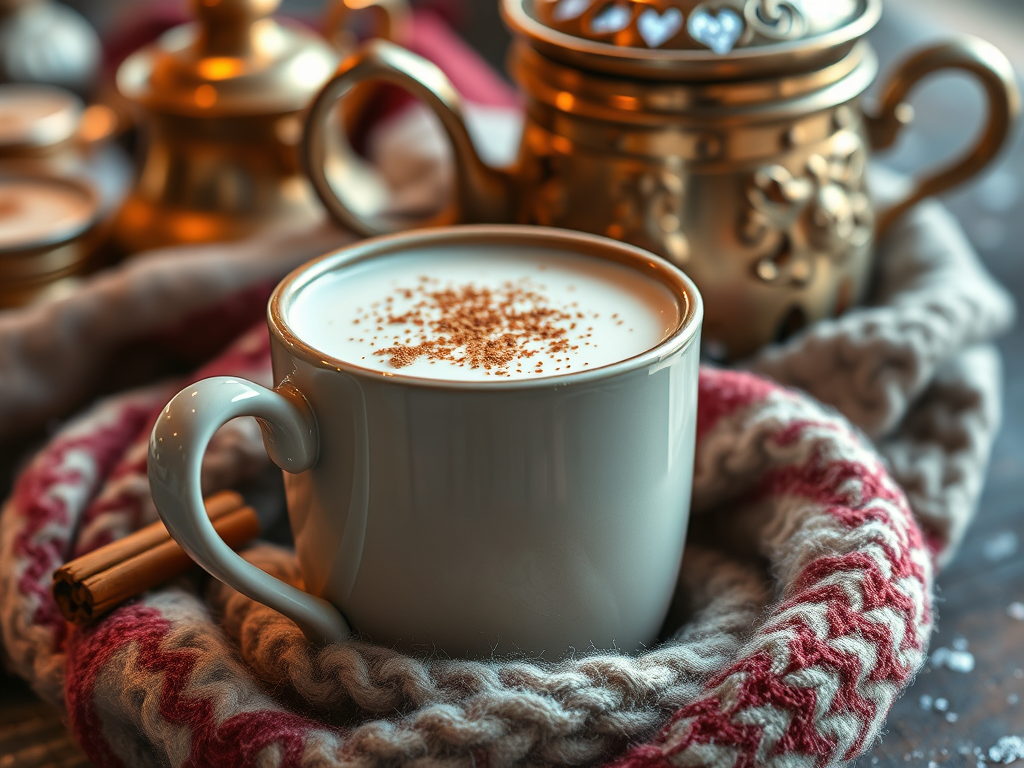
Salep: A Warm Mug of History, Mystery, and Mild Chaos
Salep, the beloved milky winter drink of Turkey and parts of the Middle East, is proof that humanity will go to remarkable lengths to stay warm. Made from powdered orchid tubers — yes, orchids, the flowers you buy when you’ve definitely forgotten an anniversary — salep is thick, cosy, and just exotic enough to make you question how anyone first looked at an orchid and thought, “I should drink that.”
Ancient Origins: Because Apparently Everything Was Invented by Accident
The origins of salep stretch back to the Ottoman Empire and, according to some accounts, even earlier. It is believed that salep was initially used as a medicinal drink, consumed for anything from a sore throat to general existential despair during cold winters.
Ottoman street vendors soon realised they were onto something when people started forming queues the moment temperatures dipped below “mildly chilly.” Before long, salep became the winter beverage of choice — essentially the Ottoman version of the pumpkin spice latte, but with fewer Instagram posts.
A Drink That Evolved (But Thankfully Didn’t Sprout Leaves)
Over the years, salep evolved from a questionable herbal remedy into a culinary icon. Its basic ingredients — milk, salep powder, sugar, and a shower of cinnamon — have remained largely unchanged for centuries. What has changed is how competitive vendors have become. If you’ve ever tried to buy salep in an old Istanbul market, you’ll know that vendors will insist their salep is the finest, the thickest, or the most likely to cure the heartbreak of a lost love.
Popularity: Peak Salep Season is “When It’s Cold Enough to Regret Going Outside”
Salep is most popular during winter, when the air is crisp, the nights are long, and everyone is pretending they don’t need gloves. Turks drink salep the moment the weather starts to turn, often accompanied by the national pastime of complaining about how cold it is.
You’ll find it sold:
- On the streets, from traditional brass samovars, often by vendors who look like they’ve been ladling salep since before electricity.
- In cafés and patisseries, especially those that serve desserts requiring the structural integrity of reinforced sugar.
- At home, where supermarket sachets of instant salep are used by people who can’t be bothered to whisk milk for more than 10 seconds.
In some places, salep even rivals tea for winter loyalty — and that’s saying something in a country where tea consumption is practically a competitive sport.
Where Salep is Sold: Follow the Cinnamon Scent
Salep is enjoyed across Turkey, the Middle East, the Balkans, and even parts of Europe — particularly in places with strong Ottoman culinary heritage. While the finest authentic salep is famously rare due to the protected orchid species used to make it, imitation and instant versions are widely available and considerably easier to obtain than a legally exported orchid.
And yes, you can even find modern cafés offering creative variants, such as “salep latte,” which is a phrase that may cause traditionalists to mutter disapprovingly under their breath.
A Final Sip of History
Though its ingredients might raise eyebrows and its texture might surprise newcomers, salep remains a cherished winter drink — a comforting blend of tradition, nostalgia, and just a dash of botanical mystery. Whether you sip it from a steaming street vendor’s ladle or from the safety of your sofa, salep promises one thing above all: the warm, cinnamon-scented feeling that winter isn’t so bad after all.




Leave a Reply