History, Meaning, and Modern Significance
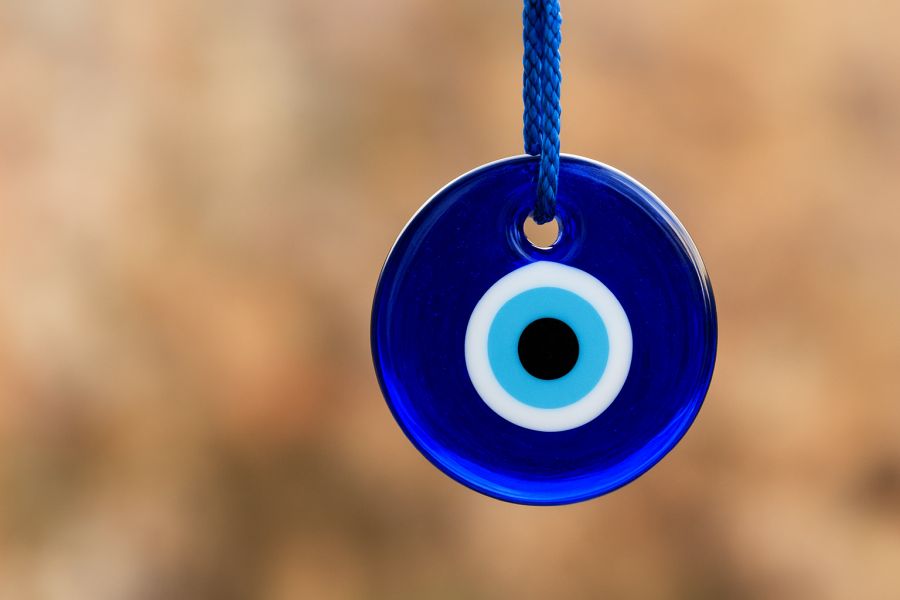
The Turkish Evil Eye, known in Turkey as the nazar or nazar boncuğu, is one of the most recognizable symbols of protection in Turkish culture. Its deep-blue glass charm, often featuring concentric circles resembling an eye, is not only a distinctive element of Turkey’s artistic heritage but also a reflection of ancient beliefs that have survived thousands of years. Today, the evil eye remains both a cultural icon and one of Turkey’s most sought-after tourist souvenirs.
Origins and Historical Significance
Ancient Roots
The belief in the evil eye predates written history. The idea that a malicious glare or excessive admiration could cause harm appears in the cultures of the ancient Mediterranean, including the Hittites, Phoenicians, Greeks, and Romans. Anatolia—modern-day Turkey—served as a crossroads for these civilizations, allowing the belief and its symbols to blend and evolve over millennia.
Archaeological findings show that early Anatolian communities used eye-like motifs for protection. By the time of the Ottoman Empire, the nazar bead had become widespread, particularly in rural villages where superstition and protective rituals were part of daily life.
Symbolic Meaning
The evil eye belief centers on the idea that envy or admiration can unintentionally bring misfortune. The nazar bead serves as a talisman, absorbing or deflecting harmful energy. The deep blue color, associated with protection and the sky, is traditionally created using copper and cobalt in hand-blown glass.
The symbol is commonly hung:
- On the entrances of homes
- In vehicles
- In workplaces
- On babies’ clothing
- As part of jewelry
This widespread use reflects a cultural understanding that good fortune must be safeguarded.
Craftsmanship and Cultural Identity
The creation of nazar boncuğu is itself a cherished craft. Traditional workshops—most famously in the Izmir region, particularly the village of Nazarköy—still produce beads using centuries-old glassblowing techniques. Artisans work with molten glass to form perfect circular shapes, layering colors to create the iconic eye pattern.
Beyond its protective function, the nazar is a cultural identity marker. It appears in Turkish textiles, ceramics, architecture, and even corporate logos, symbolizing both national tradition and a uniquely Turkish aesthetic.
The Evil Eye in Modern Tourism
A Popular Souvenir
Today, the Turkish Evil Eye is one of the most widely purchased souvenirs in Turkey. Tourists encounter it everywhere—from Istanbul’s Grand Bazaar to the coastal markets of Antalya and Bodrum. Its appeal lies in:
- Its vibrant, attractive design
- Its symbolic meaning of protection and good luck
- Its availability in every price range, from simple trinkets to high-end artisanal pieces
You can find it integrated into:
- Jewelry (bracelets, necklaces, anklets)
- Home décor (wall hangings, ceramics, tiles)
- Clothing and accessories
- Keychains and magnets
Its universality and charm make it a meaningful gift that transcends cultural boundaries.
A Global Symbol
In recent years, the evil eye has gained international popularity in fashion and design. While variations exist in many Mediterranean and Middle Eastern cultures, the Turkish blue glass nazar remains the most recognizable and widely exported form. The symbol’s global reach has made it not only a keepsake for travelers but also an influential cultural emblem in mainstream design.
A Living Tradition
What makes the Turkish Evil Eye remarkable is its ability to evolve with time. Despite rapid modernization, the belief in the protective power of the nazar remains woven into everyday Turkish life. Its presence in homes and businesses, as well as its status as a cultural ambassador to the world, ensures that this ancient tradition continues to thrive.
From its deep historical roots to its modern role as a beloved souvenir, the Turkish Evil Eye stands as a symbol of protection, beauty, and enduring cultural identity—one of Turkey’s most meaningful and enduring icons.







Leave a Reply