Security Cameras in Türkiye
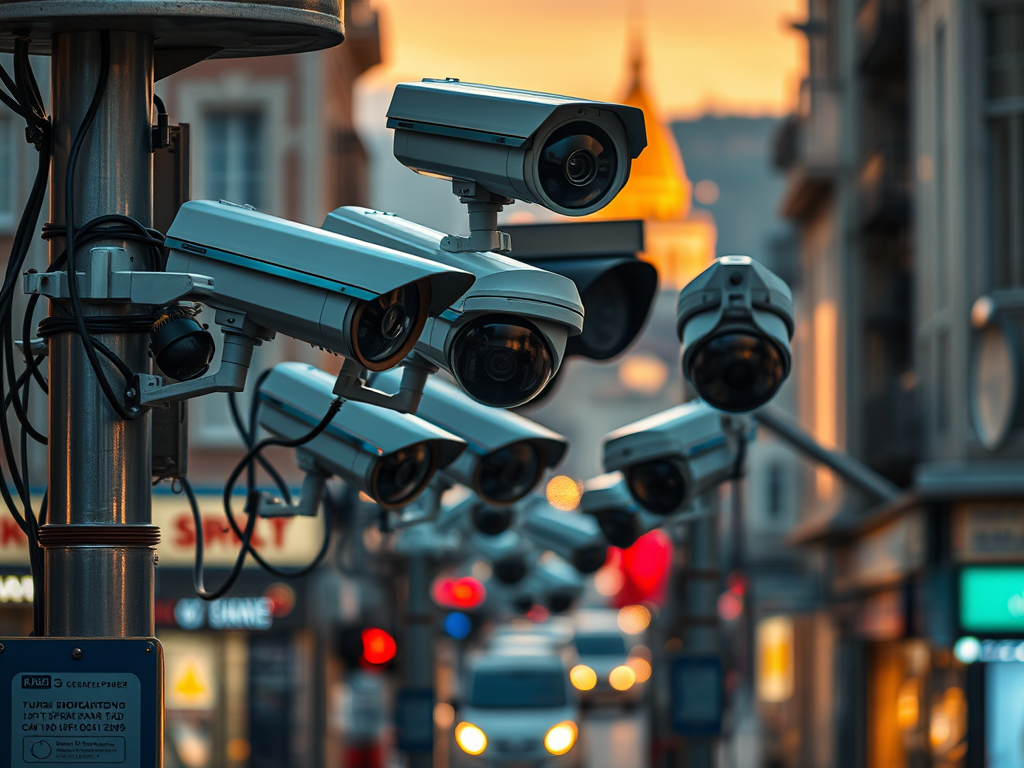
Security cameras are a very visible part of urban life in Türkiye and especially in large cities such as Istanbul. Both public authorities and private property owners deploy extensive camera systems. For holiday‑home owners, businesses and residents, it is now common to install CCTV systems for added security and remote monitoring. At the same time, the proliferation of cameras raises privacy questions and emphasises the need to comply with Turkish law on surveillance.
Where Cameras Are Positioned
In major cities the cameras are found: on street corners, in transport hubs (such as metro stations and airports), on major roads and highways for license‑plate reading systems, in shopping centres, hotels, holiday‑homes, gated communities and private residences. For example, Istanbul’s metro system uses over a thousand IP cameras across multiple stations. According to municipal data the Istanbul Metropolitan Municipality noted it had over 16,000 cameras in 1,000+ locations in one reporting period. These cameras help monitor traffic flow, public safety, municipal services and disaster readiness.
In holiday‑home areas and tourist resorts, cameras are increasingly used by owners and property management companies to monitor entrances, gated perimeters, parking, communal areas and exterior views. The increasing availability of internet‑connected camera systems (via WiFi) means remote owners can view live feeds and archive footage.
Which Government Body Is Responsible & Legal Framework
The main state body responsible for public‑space surveillance is the Turkish National Police (Emniyet) in cooperation with the municipal authorities and the traffic control systems. For private CCTV use, under Turkish law there is no specific regulation only for CCTV but general provisions of the Civil Code apply. The use must be proportionate and in legitimate interest (such as security or theft prevention) and must respect privacy rights. In places monitored by CCTV, visible notices should be placed. Hidden cameras in private spaces such as toilets or changing rooms are illegal and can attract penal‑sanctions.
In traffic systems, e.g., the Traffic Electronic Control System (TEDES) monitors speed, red‑light offences and uses cameras mounted beside roads; it is implemented by municipalities under the authority of the Ministry of the Interior and the traffic police.
What Holiday‑Home Owners and Residents Should Know
If you own or rent a holiday home in Türkiye and wish to install CCTV, keep in mind: the system must not infringe on the privacy of neighbours or public areas beyond your property; it must comply with data‑protection obligations (images of passers‑by may count as personal data). In a hotel disclosure example, 222 cameras were used to monitor entrances, restaurants, building exterior, parking lot and corridors—all with a clear notice under the Personal Data Protection Law.
For renters or holiday‑visitors: know that many resorts, gated communities, and apartment blocks already have camera systems in place; footage may be recorded and stored for a period (often 30‑days or less). If you feel uncomfortable with cameras in shared spaces, discuss this in advance with the property manager.
Why This Matters for Tourists & Visitors
Cameras assist in crime‑detection, crowd‑control and monitoring of major tourist areas. They can act as deterrents and make public spaces safer. From a visitor’s perspective this means you are generally in a well‑monitored environment. On the practical side, if an incident occurs (theft, lost item, traffic offence) the presence of cameras can assist police and legal proceedings. On the flip side you should be aware of the uncertainty around privacy in these systems, and know that some systems may use licence‑plate recognition and face‑recognition technology in large cities.
Final Thoughts
Whether you are living in Türkiye, owning a holiday home, or visiting as a tourist, cameras are pervasive and part of the security infrastructure. Use them to your advantage (increased safety, monitoring), but check that any private CCTV you install complies with local rules. When using shared property or public space, be aware of the level of surveillance and hope that the systems are well‑managed. In major cities you can assume high camera density; in smaller towns the systems may be more limited. But the trend nationwide is increasing: the CCTV market in Türkiye is growing strongly, driven by urban growth, tourism and demand for security solutions.




Leave a Reply