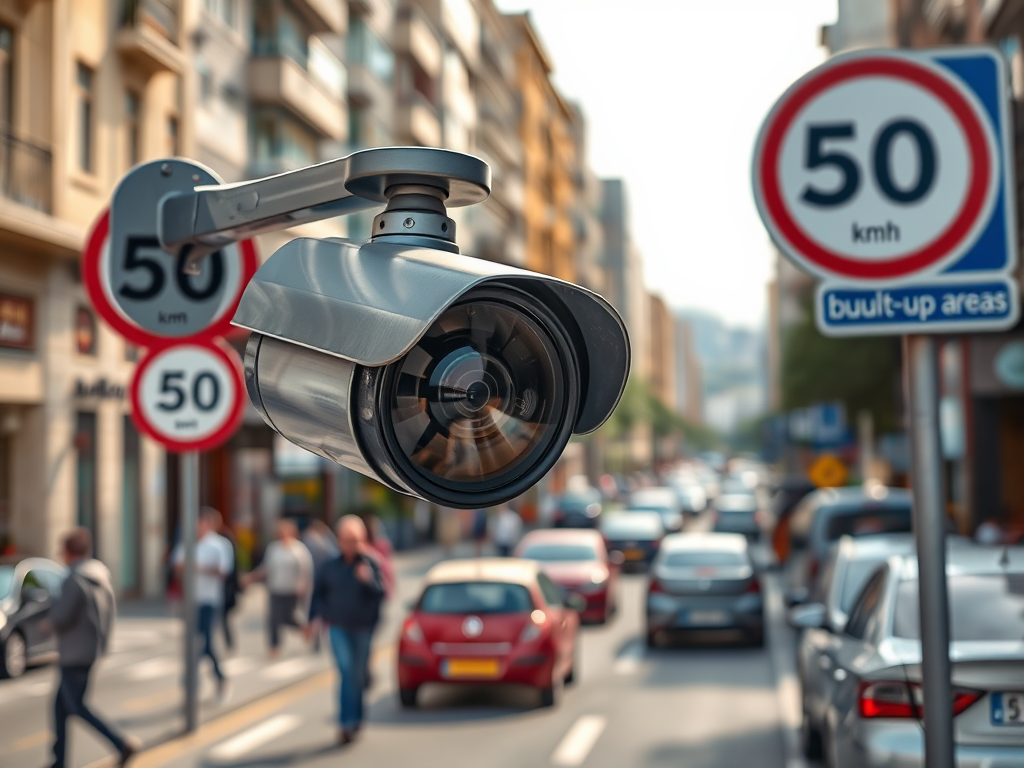
Speed Cameras in Turkey – What Tourists and Drivers Need to Know
1. How Speed Cameras Work in Turkey
Turkey operates an extensive speed enforcement system known as the Traffic Electronic Control System (TEDES). These cameras monitor speeding, red-light offences, and other violations using radar and automatic number-plate recognition.
Speed cameras are common both in towns and on public highways, particularly near schools, built-up areas, intersections, tunnels, and motorway sections. Many newer systems also detect mobile-phone use and seat belt violations.
Typical speed limits in Turkey:
- Built-up / urban areas: 50 km/h
- Outside built-up areas: 90 km/h
- Motorways: 120 km/h
Always check local signage, as limits can vary by region and road condition.
2. Speeding Fines and Penalties (2025)
Speeding fines in Turkey are indexed annually and can vary depending on how much you exceed the limit. For 2025, approximate penalties are:
| Speed Over Limit | Fine (₺) | Approx. $USD | Approx. €EUR | Approx. £GBP |
|---|---|---|---|---|
| 10–30% over | ₺2,168 | $65 | €61 | £52 |
| 30–50% over | ₺4,512 | $135 | €126 | £108 |
| Over 50% | ₺9,268 | $280 | €260 | £222 |
If payment is made within 15 days, a 25% discount usually applies.
Severe cases (more than 50% above the limit or repeated offences) can lead to licence suspension and higher fines — potentially up to ₺30,000 ($900 / €840 / £720) and temporary loss of driving privileges.
Although there may be a small tolerance (around 5–10 km/h) before enforcement, this is not guaranteed. It’s safest to stay strictly within the posted limit.
3. Tourists and Hire Cars
How Fines Are Handled
If you’re driving a hire car in Turkey, any traffic offences are recorded against the vehicle’s registration, which belongs to the rental company. The authorities issue the fine to the registered owner, and the rental company then charges the cost (plus an administrative fee) to your credit card or deposit.
Even if you are no longer in Turkey when the fine is processed, it can still be deducted automatically by the rental company.
Foreign-plated vehicles (not registered in Turkey) may be harder for cameras to trace, but police patrols can still issue fines on the spot. Do not assume you are exempt — enforcement is becoming stricter each year.
What to Do as a Tourist
- Read your rental agreement carefully – it should state who is liable for fines and any administrative fees.
- Drive within posted limits – particularly in built-up areas and near pedestrian crossings.
- Keep contact details updated with the hire company for any follow-up communication.
- Pay fines promptly if notified – early payment often means a reduced rate.
- If you believe a fine is incorrect, you can appeal, although this process can be difficult if you’ve already left the country.
4. Being Stopped by Police
You may be stopped in Turkey for speeding, a routine check, or other traffic reasons. Here’s what to expect:
- Pull over safely when signalled.
- Stay calm and polite – aggressive behaviour can escalate the situation.
- Present your driving licence, vehicle registration, and rental agreement.
- If you’re a tourist, have your passport or ID card ready.
- The officer should explain the reason for the stop.
- If issued a fine, ensure it comes with an official document or receipt.
- Do not offer bribes – this is illegal and could lead to serious penalties.
- If you believe you were wrongly fined, record the officer’s details and time of stop for any later appeal.
Payment can often be made at authorised banks or online government portals. Paying within 15 days usually grants a discount.
5. Staying Safe and Avoiding Fines
- Always obey speed limits and road signs.
- Be extra cautious entering towns or villages where limits suddenly drop.
- Do not rely on “10% tolerance” rules – enforcement varies.
- Use GPS apps that show speed limits, but avoid radar-detector devices, which may be illegal.
- Check for average-speed zones on highways – these calculate your mean speed between two points.
- When renting a car, ask about how fines are handled and whether they offer email notification of violations.
- Keep receipts and payment confirmations for any fines you settle.
6. Summary
Speed cameras in Turkey are widespread and actively enforced. Penalties for exceeding limits are substantial and increase sharply with speed.
Tourists and hire-car drivers are not exempt from fines and are usually held responsible for any violations. If stopped by police, cooperate fully, stay calm, and ensure all documentation is in order.
Driving safely within speed limits will not only keep you within the law but also ensure a smoother and more enjoyable trip through Turkey’s diverse and beautiful roads.






Leave a Reply