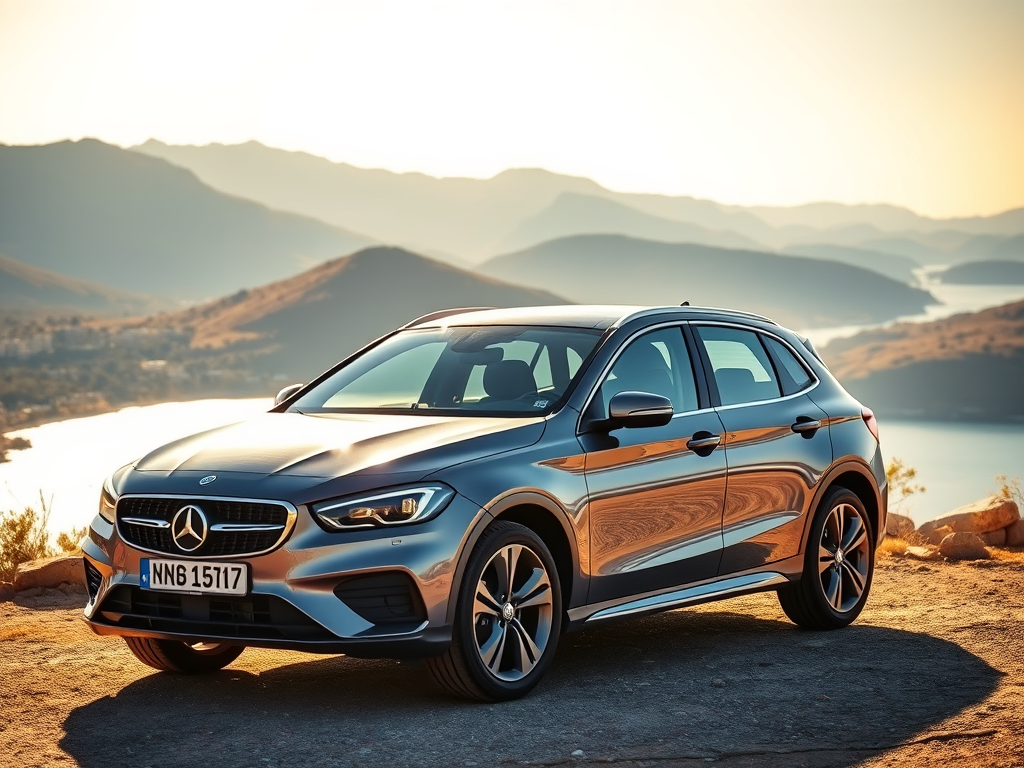
🚗 What You Need to Know Before You Book
Hiring a car in Turkey can be a great way to explore the country’s mountains, coastlines, and ancient ruins at your own pace. Roads are generally good, fuel stations are plentiful, and modern motorways connect most of the major cities. However, the car hire industry varies widely in quality, and tourists should take care to rent only from reputable companies to avoid unexpected charges or poorly maintained vehicles.
🏢 The Top Five Trusted Car Rental Companies in Turkey
Turkey has both international and national car hire providers, and the following are among the most reliable and best-established:
- Avis – One of the most professional firms in Turkey, offering excellent customer service, clean modern vehicles, and offices in all major cities and airports.
Website: www.avis.com.tr - Enterprise Rent-A-Car – Offers a wide choice of cars, flexible insurance options, and a solid reputation for well-maintained vehicles.
Website: www.enterprise.com.tr - Europcar – A long-established European brand with transparent pricing, available at airports and city centres.
Website: www.europcar.com.tr - Budget Car Rental – Operates across Turkey with good value and dependable vehicles, though insurance add-ons can increase total cost.
Website: www.budget.com.tr - Garenta – A respected Turkish company with competitive pricing and newer vehicles, often used by locals as well as tourists.
Website: www.garenta.com.tr
💰 Booking and Insurance – Beware of Hidden Extras
It’s common for tourists to book hire cars online from abroad through international comparison websites, only to find that the cheapest deals do not include full insurance. In Turkey, the basic rate often covers only third-party liability, leaving you personally responsible for:
- Damage to the car’s underside, wheels, glass, or roof
- Scratches, dents, or small bodywork damage
- Lost keys or flat tyres
- Towing costs after a breakdown
Always check what the policy includes and whether Collision Damage Waiver (CDW) or Super Collision Damage Waiver (SCDW) are available. A slightly higher upfront cost with a reputable provider can save you hundreds of pounds later in disputes or repair fees.
If the deal sounds too cheap, it usually is — low-cost operators sometimes offer older vehicles with worn tyres, high mileage, or hidden defects.
⛽ Fuel and Common Tourist Traps
One of the most common scams in tourist areas, particularly around Istanbul Airport and Antalya, involves being handed a car with an almost empty tank despite the rental agreement stating “full to full.” When you return it, the company may claim extra fuel charges. Always check the gauge before leaving and photograph it.
Another issue can be that the rental agent or greeter simply isn’t there when you arrive, especially with smaller firms or third-party brokers. Always confirm the company’s contact number and pickup location before your flight.
If possible, stick to a well-known brand with a visible airport office, rather than someone who meets you in the car park.
🛣️ Motorway Tolls (HGS/OGS System)
Turkey’s motorways and some bridges operate an electronic toll system called HGS (Hızlı Geçiş Sistemi). Rental cars are usually fitted with an electronic sticker or tag, which automatically deducts tolls as you pass.
Before driving away, ask the rental company how this system is billed. Some firms include tolls in your final invoice, while others expect you to prepay or return with a receipt showing you’ve topped up the account. Unpaid tolls result in automatic fines linked to the vehicle’s registration number.
🪪 Driving Licence Requirements
To drive in Turkey, you must:
- Hold a valid driving licence from your home country.
- Have an International Driving Permit (IDP) if your licence is not in Latin characters (for example, if written in Arabic, Cyrillic, or Chinese).
- Be at least 21 years old (some premium car categories require age 25+).
- Have held your licence for at least one year.
Foreign tourists can legally drive on their national licences for up to six months. After that, a Turkish licence is required for residents.
⚠️ What to Do if You Have an Accident
If you are involved in an accident in Turkey:
- Do not move the car unless it’s blocking traffic or unsafe to remain in place.
- Call the police (155) or gendarmerie (156), depending on location.
- If anyone is injured, call ambulance services (112) immediately.
- Take photos of the scene, vehicle positions, number plates, and any damage.
- Exchange contact and insurance details with the other driver.
- Notify your rental company immediately — they may require you to wait for their representative before completing paperwork.
Never admit fault at the scene; let the police and insurance determine responsibility. You’ll need an official police report for insurance claims and deposit refunds.
🧾 Other Important Tips and Recommendations
- Credit card deposit: Expect to have a hold placed on your credit card — usually ₺5,000–₺10,000 (£125–£250 / €140–€280 / $150–$300).
- Photograph everything: Take pictures of the car’s bodywork, tyres, dashboard, and fuel level before leaving.
- Keep documents handy: Always carry your driving licence, passport, rental agreement, and insurance papers when driving.
- Speed limits: 50 km/h in towns, 90 km/h on main roads, 120 km/h on motorways unless otherwise marked.
- Drink driving: The legal limit is 0.05%, lower than in many countries.
✅ Summary
Hiring a car in Turkey gives you freedom and flexibility, but it’s important to deal only with reliable, well-known companies such as Avis, Enterprise, Europcar, Budget, or Garenta. Avoid the temptation of ultra-cheap online offers — these often hide insurance exclusions or come with poorly maintained vehicles. Check the fuel level, toll arrangements, and insurance coverage carefully before signing. With a little caution, car hire in Turkey can be safe, convenient, and a wonderful way to explore one of the world’s most scenic countries.







Leave a Reply