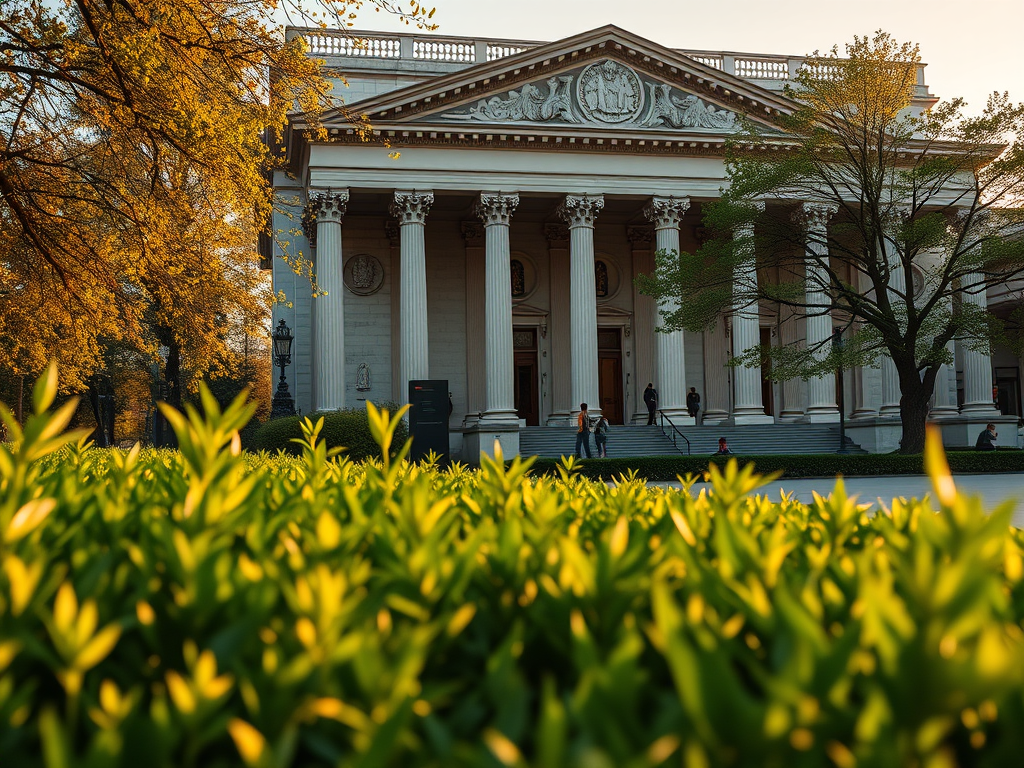
The Istanbul Archaeology Museums, located in the historic Sultanahmet district near Gülhane Park and Topkapı Palace, form one of the most impressive and comprehensive museum complexes in the world. Founded in the late nineteenth century, the institution is housed in a grand neoclassical building that reflects the ambitions of the late Ottoman Empire to establish a museum worthy of its ancient heritage. The main building, designed by the noted architect Alexandre Vallaury, was commissioned under the guidance of Osman Hamdi Bey, an influential painter, archaeologist and museum director who played a key role in preserving and promoting Turkey’s archaeological treasures.
The museum officially opened its doors to the public in 1891, marking a turning point in the history of archaeology and cultural preservation in the Ottoman Empire. Over the years, the complex expanded to include several adjoining buildings: the Museum of the Ancient Orient and the Tiled Kiosk Museum. Together, they hold more than a million artefacts from across the vast territories once ruled by the empire, encompassing ancient Anatolia, Mesopotamia, Egypt, Greece and Rome. The location itself is significant, standing at the heart of Istanbul’s historic peninsula where the layers of Byzantine and Ottoman history meet.
Inside, visitors can explore a rich and diverse collection that spans thousands of years. Among the most famous exhibits is the Sarcophagus of Alexander the Great, a masterpiece of Hellenistic art discovered in Sidon, Lebanon, which features intricate carvings of battle and hunting scenes. Other notable pieces include the Sarcophagus of the Mourning Women, the Tabnit Sarcophagus, and reliefs from ancient Babylon depicting the Ishtar Gate and the Processional Way. The Museum of the Ancient Orient presents an extraordinary array of artefacts from early civilisations of the Near East, including Assyrian, Hittite and Egyptian relics such as cuneiform tablets, statues, and royal inscriptions. The Tiled Kiosk Museum, one of the oldest structures in the complex dating back to 1472, displays exquisite examples of Ottoman and Seljuk tile work and ceramics, offering visitors a vivid sense of the artistic traditions that flourished in Anatolia.
Each gallery in the museum tells a part of the story of human civilisation, from the dawn of recorded history to the classical age. The careful arrangement of artefacts and the architectural beauty of the building itself create an atmosphere that connects the past with the present. Set amid the leafy tranquillity of Gülhane Park, the Istanbul Archaeology Museums continue to stand as a testament to the city’s role as a bridge between East and West and as a guardian of the world’s shared cultural heritage.
İstanbul Arkeoloji Müzeleri, Gülhane Parkı ve Topkapı Sarayı’nın yakınındaki tarihi Sultanahmet semtinde yer alır ve dünyanın en etkileyici ve kapsamlı müze komplekslerinden birini oluşturur. On dokuzuncu yüzyılın sonlarında kurulan kurum, geç Osmanlı İmparatorluğu’nun kadim mirasına yakışır bir müze kurma arzusunu yansıtan görkemli bir neoklasik binada bulunmaktadır. Ünlü mimar Alexandre Vallaury tarafından tasarlanan ana bina, Türkiye’nin arkeolojik hazinelerinin korunması ve tanıtılmasında büyük rol oynayan ressam, arkeolog ve müze müdürü Osman Hamdi Bey’in öncülüğünde inşa edilmiştir.
Müze 1891 yılında resmi olarak halka açılmış ve bu olay, Osmanlı İmparatorluğu’nda arkeoloji ve kültürel mirasın korunması tarihinde bir dönüm noktası olmuştur. Yıllar içinde kompleks, Eski Şark Eserleri Müzesi ve Çinili Köşk Müzesi gibi ek binaların dahil edilmesiyle genişlemiştir. Bu binalar birlikte, imparatorluğun bir zamanlar hüküm sürdüğü geniş coğrafyalardan, antik Anadolu, Mezopotamya, Mısır, Yunan ve Roma uygarlıklarından gelen bir milyondan fazla eseri barındırmaktadır. Müzenin konumu da son derece önemlidir; Bizans ve Osmanlı tarihinin katmanlarının buluştuğu İstanbul’un tarihi yarımadasının kalbinde yer alır.
Ziyaretçiler müze içinde binlerce yıla yayılan zengin ve çeşitli bir koleksiyonu keşfedebilirler. En ünlü eserler arasında, Lübnan’ın Sayda kentinde bulunan ve savaş ile av sahnelerini betimleyen ince kabartmalarla süslü Büyük İskender Lahdi yer alır. Diğer dikkat çekici parçalar arasında Ağlayan Kadınlar Lahdi, Tabnit Lahdi ve antik Babil’den getirilen, İştar Kapısı ve Alay Yolu’nu betimleyen kabartmalar bulunur. Eski Şark Eserleri Müzesi, Asur, Hitit ve Mısır uygarlıklarından çivi yazılı tabletler, heykeller ve kraliyet yazıtları gibi Yakın Doğu’nun erken dönem uygarlıklarına ait olağanüstü eserleri sergiler. Kompleksin en eski yapılarından biri olan ve 1472 yılına kadar uzanan Çinili Köşk Müzesi ise Osmanlı ve Selçuklu dönemlerinden kalma çini ve seramik örnekleriyle ziyaretçilere Anadolu’nun zengin sanat geleneklerini gözler önüne serer.
Müzedeki her galeri, insan uygarlığının hikayesinin bir bölümünü, kayıtlı tarihin başlangıcından klasik çağa kadar anlatır. Eserlerin özenli sergilenişi ve binanın mimari güzelliği, geçmiş ile bugün arasında güçlü bir bağ kurar. Gülhane Parkı’nın yeşil huzuru içinde yer alan İstanbul Arkeoloji Müzeleri, kentin Doğu ile Batı arasında bir köprü olma rolünü ve dünyanın ortak kültürel mirasının koruyucusu kimliğini yaşatmaya devam etmektedir.




Leave a Reply