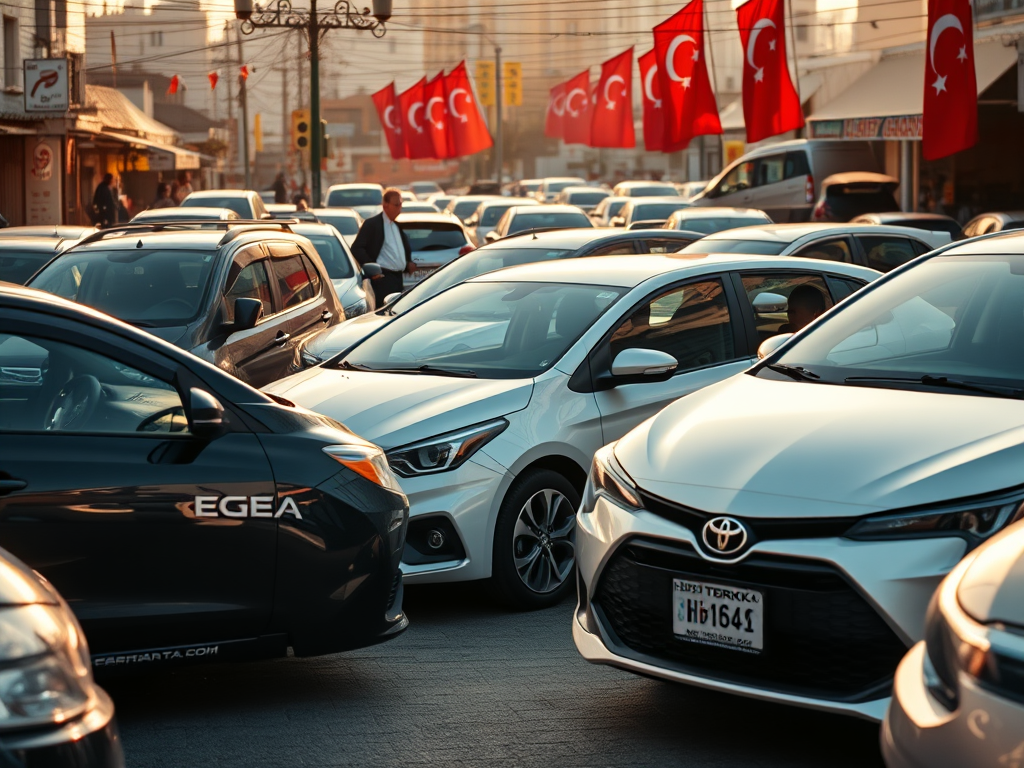
Cars in Turkey are among the most expensive in the world, a situation driven by a complex mix of taxation, import duties and market demand. The Turkish government imposes extremely high taxes on vehicle purchases, including a special consumption tax that can more than double the price of a car before it even reaches the road. These taxes are based on engine size and value, meaning even modest vehicles can become costly once duties are applied. In addition to these levies, import tariffs on foreign brands further push up prices, making cars a major investment for most Turkish consumers.
Despite the high cost, vehicles in Turkey tend to hold their value remarkably well. This is largely due to the imbalance between supply and demand. Because new cars are so expensive, many people turn to the second hand market, where prices remain strong and cars depreciate far less quickly than in other countries. Owners take good care of their vehicles, aware that a well maintained car can be sold for a high price relative to its original cost. Inflation has also played a role in sustaining car values, as tangible assets like vehicles often become a store of value in uncertain economic times.
The second hand market in Turkey is therefore exceptionally buoyant. Used cars change hands rapidly and platforms for private sales and dealership resales are extremely active. Some buyers purchase cars almost as investments, knowing that in a few years they can recover much of their initial outlay. This demand has created a dynamic marketplace where even older models can command impressive sums, particularly if they are known for reliability and fuel efficiency. Let me hand you over to Becky to look into this for us.
Thank you John. Turkey also has a strong domestic automotive industry, producing vehicles both for local use and export. Several global manufacturers operate factories in the country, including Ford, Toyota, Hyundai, Fiat and Renault. These plants not only assemble vehicles but also produce components for export across Europe. Locally built models such as the Fiat Egea, Toyota Corolla, Renault Clio and Ford Transit are common sights on Turkish roads. In recent years, the country has also launched its first fully electric domestic brand, Togg, marking an important milestone in the nation’s move towards electric mobility.
Among the most popular vehicles in Turkey are the Fiat Egea, Renault Clio, Toyota Corolla, Renault Megane and Ford Transit Courier. These models appeal to Turkish buyers for their balance of affordability, durability and resale value. Compact sedans and small commercial vehicles dominate the market because they are practical, economical and suitable for both personal and business use.
The process of buying a car in Turkey involves a number of official steps and requires careful attention to paperwork. For Turkish citizens, the purchase of a new car typically begins with securing the invoice and registration documents from the dealer. The buyer then registers the vehicle with the traffic registration office, obtains mandatory traffic insurance, and pays the annual motor vehicle tax. For second hand purchases, the sale is conducted either at a notary office or through an authorised dealership. The notary finalises the transfer of ownership, checks the vehicle’s records for any outstanding debts or restrictions, and issues the new registration documents to the buyer. Payment is usually made through a bank transfer to ensure traceability and security.
For foreigners, the process can be slightly more complicated. Foreign nationals who hold a residence permit or are officially resident in Turkey can buy and register cars in their own name. However, these vehicles are typically classed as “blue plate” cars, which are restricted to foreigners and certain diplomatic staff. These cars are exempt from some taxes but can only be driven by the foreigner and their immediate family members who also hold foreign residency status. The plates for such vehicles begin with the letters “MA” through “MZ” and are easily recognisable.
Foreigners who do not have residency can still buy vehicles in Turkey, but the car must usually be registered to a Turkish citizen or business partner, and additional import duties and insurance conditions will apply. When purchasing a second hand vehicle, it is essential for foreigners to verify the car’s legal status and ensure there are no outstanding debts, fines or liens registered against it.
Number plates in Turkey also reveal regional and ownership differences. The first two digits of every Turkish number plate indicate the province of registration, for example, 34 for Istanbul and 06 for Ankara. Standard Turkish citizens have white plates with black lettering, while foreigners’ blue plates and certain government or military vehicles use alternative colour schemes. These differences are important because they can affect who is legally permitted to drive the vehicle and under what conditions. Would you like to summarise all that for us John?
Yes of course. Thank you Becky. Overall, the high cost of cars in Turkey is the result of structural taxation and market forces, yet it has also created a unique environment where vehicles retain their value exceptionally well. The strength of the second hand market, combined with a thriving manufacturing base and loyal consumer demand, has made the Turkish car market one of the most resilient and distinctive in Europe. The process of buying and owning a car in Turkey reflects this blend of regulation and enthusiasm, with both locals and expatriates navigating a market where cars are seen not just as transport, but as valuable long term assets.
A second hand Fiat over 20 years old and with high mileage can still command a second hand value of over £3000 as can an old Renault 12. We bought a brand new Ford Fiesta in 2016 and we paid £8,000 for it. If we sold it today we would sell it for more than we paid for it. In Turkey, new car prices are often around double those in most European countries for the same models. This is mainly due to high taxation and import duties, particularly the Special Consumption Tax and Value Added Tax or KDV. The consumption tax can range from 45% up to over 200% depending on engine size, CO₂ emissions, and luxury classification.
Even modest cars like the Renault Clio or Fiat Egea can cost nearly twice as much in Turkey as they do in Germany, France, or the UK, despite being built domestically or nearby. We hope you enjoyed this video. Please feel free to subscribe and like. Thanks for watching.
See also Buying a Car and Turkish Number Plates.







Leave a Reply