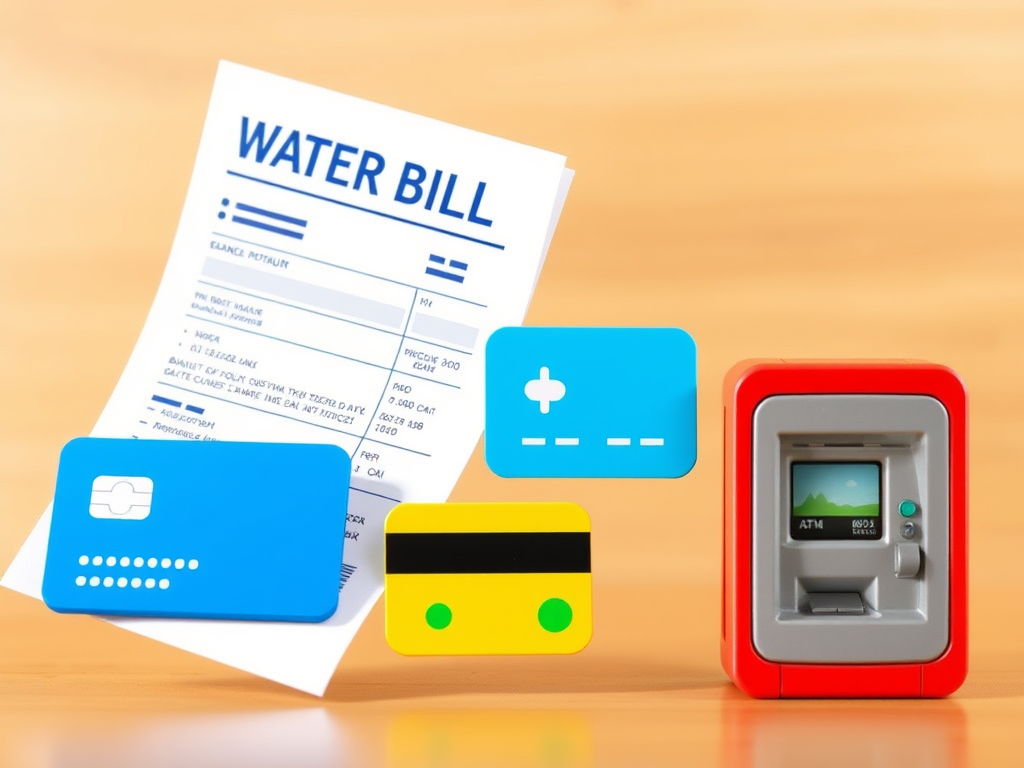
In Turkey, paying water bills is generally quite straightforward and can be done in several convenient ways, both online and in person. The exact process can vary slightly depending on the municipality, but the main methods are fairly consistent across the country. Here’s a clear overview:
💧 1. Automatic Bank Payments (Direct Debit)
Most people in Turkey set up otomatik ödeme talimatı (automatic payment orders) through their bank. This means the water bill is automatically paid from their bank account each month when it’s issued. Customers can set this up at any major Turkish bank branch, via online banking, or through mobile banking apps. It’s a very common and convenient option, especially for residents who don’t want to worry about missing payments.
💧 2. Online Payment via Municipality Websites
Every municipality in Turkey has its own water and sewerage authority — for example:
- İSKİ (İstanbul Su ve Kanalizasyon İdaresi) for Istanbul
- ASKİ (Ankara Su ve Kanalizasyon İdaresi) for Ankara
- İZSU (İzmir Su ve Kanalizasyon İdaresi) for Izmir
Each of these authorities operates an official website where customers can check and pay their bills using their subscriber number (abone numarası). Payments can be made via credit or debit card. Many municipal websites also allow you to view billing history, update contact details, and download invoices.
💧 3. Payment via Mobile Apps
Water authorities and banks in Turkey offer mobile applications for easier access. For example, İSKİ and ASKİ both have their own apps on iOS and Android where users can view and pay bills instantly. Likewise, mobile banking apps (such as Ziraat, VakıfBank, İşbank, Garanti BBVA, and Yapı Kredi) let users pay utility bills directly within the app under the “Faturalar” or “Ödemeler” (Bills/Payments) section.
💧 4. Physical Payment Points
For people who prefer to pay in person, there are several options:
- Municipal water authority offices (you can pay by cash or card at service desks or self-service kiosks).
- PTT branches (the Turkish postal service), which act as payment agents for most utilities, including water.
- Authorised payment centres and kiosks (fatura ödeme merkezleri) found in many Turkish cities. These are small shops that handle utility bill payments for a small service fee.
💧 5. ATM Payments
Most ATMs in Turkey support utility bill payments. Customers can pay their water bills by selecting the “Fatura Ödeme” option and entering their subscriber number. It’s a fast and popular method, especially for those without internet access.
💧 6. SMS and E-Mail Notifications
Many water authorities now send monthly reminders by SMS or email, including the amount due and a link for online payment. This is especially common in larger cities like Istanbul and Ankara.
Summary
In short, Turkish residents typically pay their water bills either automatically through their bank or online through their municipal authority’s website or app. In-person options remain available for those who prefer cash payments or need assistance. The system is quite modern and integrated, with widespread digital payment adoption — especially in major cities.
💧 1. Who Provides Water
Water services in Turkey are provided by municipal water and sewerage authorities (Su ve Kanalizasyon İdareleri), which are public entities under each city’s metropolitan municipality.
For example:
- İSKİ in Istanbul
- ASKİ in Ankara
- İZSU in Izmir
- BUSKİ in Bursa
Each authority is responsible for producing, distributing, and billing for clean water, as well as collecting wastewater and sewage treatment.
💧 2. Meter-Based Billing
Water in Turkey is charged based on metered consumption. Every property that receives municipal water has a water meter (su sayacı) that records the volume of water used in cubic metres (m³).
Meters are typically located in a building’s utility room, at the property boundary, or in a shared area for apartment blocks.
Municipal staff or authorised contractors visit periodically — usually once a month or once every two months — to read the meter. Increasingly, smart meters are used in urban areas, allowing automatic or remote readings. The reading determines consumption since the last billing period, which is then multiplied by the tariff rate.
💧 3. Tariff Structure
Turkish water bills use a progressive tariff system (kademeli tarife), meaning the more water you consume, the higher the price per cubic metre becomes.
Typical billing categories include:
- Domestic use (konut): for residential households.
- Commercial use (işyeri): for businesses.
- Industrial or agricultural use: for factories or farms.
- Public institutions: for government buildings and schools.
For domestic users, tariffs are divided into tiers. For example (simplified example for a large city):
- 0–15 m³: ₺15 per m³
- 16–30 m³: ₺25 per m³
- 30+ m³: ₺35 per m³
These rates vary by city and region and are adjusted periodically by municipal councils. The idea is to promote water conservation by charging more to households with high consumption.
💧 4. Additional Fees and VAT
A typical Turkish water bill includes:
- Water usage charge (based on the tariff).
- Wastewater charge (atıksu bedeli), usually a fixed percentage (around 50–100%) of the water cost, covering sewage treatment.
- Environmental cleaning tax (çevre temizlik vergisi), collected on behalf of the municipality for waste collection.
- Value Added Tax (KDV), usually 8%.
These components are clearly itemised on the printed or digital invoice.
💧 5. Billing in Apartments and Shared Buildings
In apartment blocks (apartmanlar), there are two common systems:
- Individual meters: Each flat has its own meter and receives its own bill directly from the municipality. This is the most common setup in modern buildings.
- Central/shared meter: Some older buildings still have one central meter for the entire block. In this case, the monthly water bill is sent to the building’s management (apartman yöneticisi), who divides the total cost among residents — usually according to the number of occupants or flats.
The manager collects payments from residents as part of the monthly building maintenance fee (aidat).
💧 6. Billing Frequency and Notifications
Bills are generally issued monthly, although smaller municipalities may bill every two months. Customers receive their invoices by post, SMS, or email, and can also check them online through the water authority’s website or app.
If a bill goes unpaid, a reminder is issued, and after a certain grace period (usually 10–15 days), water service may be temporarily cut off until the debt is cleared.
💧 7. Adjustments and Disputes
If a customer believes their bill is inaccurate — for example, due to a faulty meter or a leak — they can apply to their local water authority for an inspection (su sayaç kontrolü). The authority may test or replace the meter and adjust the bill if an error is confirmed.
💧 Summary
In short, Turkey’s water billing system is metered, progressive, and municipality-managed. Each household pays according to its consumption, with higher rates for heavier use. Billing is transparent, detailed, and widely accessible online, and payment options are diverse — ranging from direct debit to mobile banking.






Leave a Reply