
Hereke is a town situated near Istanbul, in the Gulf of Izmit, in the Kocaeli province. It has a seafront promenade and some fine old Ottoman style buildings. Part of the town is built on a cliff edge with the main partially elevated Istanbul highway cutting through the middle of the town. There is also a marina harbour area and the town has a large castle ( Hereke Kalesi ).
Along the town’s coast road you will find the Hereke Carpet Weavers factory ( Milli Saraylar Hereke ve Ipekli Dokuma Fabrikasi ) in an impressive building situated along the sea front road. Carpets from Hereke are world famous. Every Turkish person will be able to tell you about the silk carpets from Hereke. Hand made carpets are what made Hereke renowned throughout the world. In 1843, Sultan Abdulmecid, an Ottoman Emperor, founded the Hereke Imperial Factory in Hereke with the aim of producing carpets, uphostery, fabrics and curtains exclusively for the newly constructed Dolmabahce Palace in Istanbul.
In addition to being produced in Hereke, a team of weavers worked in a workshop at Dolmaabahce Palace and produced some of the finest examples of Hereke carpets that you will ever see all in one place. There are over 140 carpets and around 120 prayer rugs in total. Hereke silk carpets take many design forms and were made for export and sent as gifts to heads of state around the globe. Hereke carpets are crafted using a double knot with carpets typically having over one million knots per square metre. These hand made carpets are probably the finest silk carpets in the world.
Sadly, the Chinese have captured the Hereke market place, adding confusion and uncertainty to the traditional and genuine carpets that are made in Turkey. They basically created an industrial zone called Hereke in China and then stole and cloned the Turkish designs and offered them for sale worldwide.
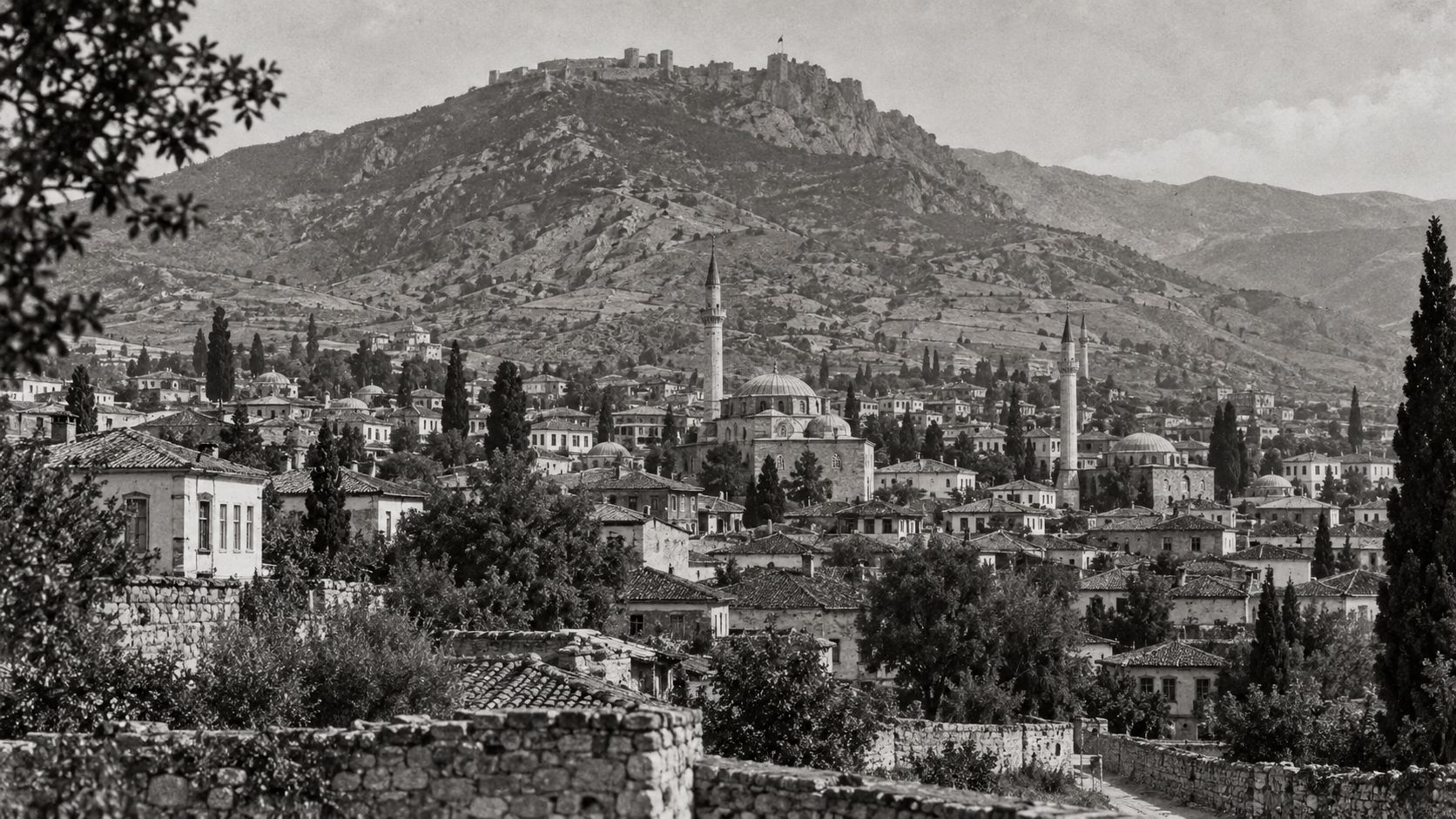
The Hereke Castle orginally dates back hundreds of years and was built on a hill by the Byzantines to protect the harbour. Known originally as Ancryon, Hereke took its name from the Emperor Heraclius in later years. The castle fell into ruin and was totally rebuilt to attract tourism to the town. There is nothing left of the orginal castle but there are some spectacular views of the town below and the Gulf of Izmit.
There is very little to do in Hereke. Take a stroll around the town, classed as a village officially, and visit the Carpet factory, marina and castle. You can probably spend half a day here.
Hereke Carpet Weavers Association
Hereke, Kocaeli ilinde, İzmit Körfezi kıyısında, İstanbul’a yakın bir konumda yer alan bir kasabadır. Deniz kıyısında bir yürüyüş yolu ve bazı güzel Osmanlı tarzı tarihi yapılar bulunur. Kasabanın bir kısmı uçurum kenarına kurulmuştur ve ana İstanbul karayolu kasabanın ortasından, kısmen yükseltilmiş şekilde geçmektedir. Ayrıca bir marina limanı ve Hereke Kalesi adı verilen büyük bir kale de kasabada yer almaktadır.
Kasabanın sahil yolu boyunca, deniz kenarında yer alan etkileyici bir binada bulunan Hereke Halı ve İpekli Dokuma Fabrikası (Milli Saraylar Hereke ve İpekli Dokuma Fabrikası) dikkat çeker. Hereke halıları dünya çapında ünlüdür. Türkiye’de neredeyse herkes size Hereke’nin ipek halılarından bahsedebilir. El yapımı halılar, Hereke’yi dünya çapında tanınır hale getirmiştir. 1843 yılında Osmanlı Padişahı Sultan Abdülmecid, İstanbul’daki yeni inşa edilen Dolmabahçe Sarayı için yalnızca halı, döşemelik kumaş ve perde üretmek amacıyla Hereke Fabrika-i Hümayununu kurmuştur.
Hereke’de üretim yapılmakla kalmamış, aynı zamanda bir grup dokumacı Dolmabahçe Sarayı’nda kurulan özel atölyede de çalışarak, aynı kalitede ve zarafette halılar üretmiştir. Dolmabahçe Sarayı’nda bugün 140’tan fazla halı ve 120 civarında seccade sergilenmektedir. Hereke ipek halıları çok çeşitli desenlere sahiptir ve yurtdışına ihracat için üretilmiş, dünya liderlerine hediye olarak gönderilmiştir. Hereke halıları çift düğüm (Gördes düğümü) tekniğiyle dokunur ve genellikle metrekare başına bir milyonun üzerinde düğüm içerir. Bu el yapımı halılar, muhtemelen dünyanın en kaliteli ipek halıları olarak kabul edilmektedir.
Ne yazık ki Çin, Hereke halı pazarında söz sahibi olmaya başlamış ve bu da Türkiye’de geleneksel olarak üretilen halılarla ilgili karışıklık ve güvensizlik yaratmıştır. Çin, kendi sınırları içinde “Hereke” adını verdikleri bir sanayi bölgesi kurarak Türk halı desenlerini kopyalamış ve bunları dünya çapında satışa sunmuştur.
Hereke Kalesi, yüzyıllar öncesine dayanır ve Bizanslılar tarafından limanı korumak amacıyla bir tepeye inşa edilmiştir. İlk adı Ancryon olan Hereke, daha sonra Bizans İmparatoru Heraklius’un ismiyle anılmaya başlanmıştır. Zamanla harabeye dönen kale, turizmi canlandırmak amacıyla tamamen yeniden inşa edilmiştir. Orijinal kaleden geriye bir şey kalmamış olsa da, kaleden Hereke kasabasının ve İzmit Körfezi’nin manzarası oldukça etkileyicidir.
Hereke’de yapılacak fazla bir şey yoktur. Resmî olarak köy statüsünde olan bu küçük kasabada biraz dolaşıp halı fabrikasını, marinasını ve kaleyi gezebilirsiniz. Burada geçirilecek yarım gün yeterli olacaktır.




Leave a Reply