



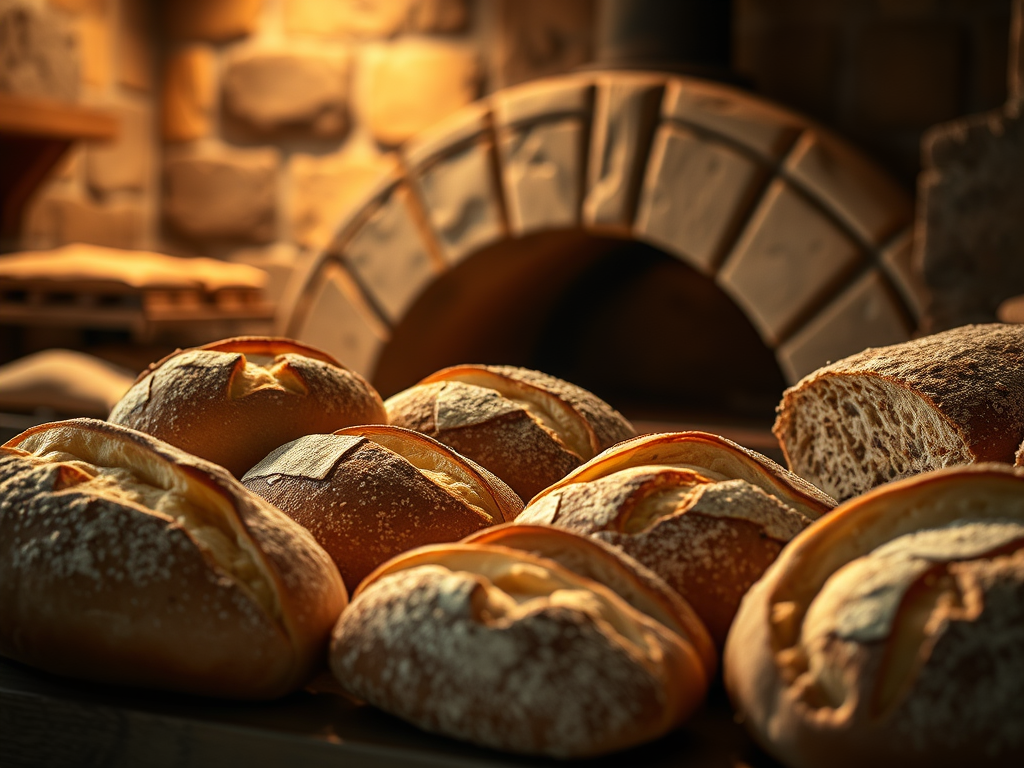
A Cultural Staple and a Tourist Favourite
Bread in Turkey is far more than just a side dish. Served with almost every meal in restaurants and homes alike, it has long been regarded as the most important and accessible food for ordinary people. Despite changing eating habits and the rise of modern cuisine, this deep-rooted connection to bread remains strong today. For many Turks, a meal simply feels incomplete without it.
Why Tourists Love Turkish Bread
Visitors to Turkey frequently comment on the extraordinary taste of Turkish bread. Whether it’s the warm, fluffy loaves brought to the table in restaurants or the freshly baked rolls from a local bakery, the flavour and texture often leave a lasting impression. The secret lies in the traditional methods still widely used across the country. Many bakeries prepare their dough daily using only a handful of simple ingredients: flour, water, yeast, and salt. The dough is kneaded thoroughly to give it elasticity and allowed to rise slowly, which enhances both flavour and softness.
Another reason for its superior taste is the baking method. In many areas, bread is still baked in stone ovens or wood-fired ovens, which give it a distinctive crust and depth of flavour rarely found in mass-produced bread. Even in modern bakeries, high hydration levels and quick turnover ensure that bread is always fresh — often still warm when purchased.
Different Varieties of Turkish Bread
Turkey offers a huge range of breads, each with its own texture, taste, and traditional purpose. The most commonly served type is the classic white loaf, soft inside with a crisp outer layer. However, health-conscious eaters often gravitate towards esmer ekmek (brown bread) or whole wheat varieties, which have more fibre and a richer, nuttier flavour.
Village bread — known as köy ekmeği — is also incredibly popular. Usually baked in stone ovens and made from wholemeal or mixed flours, it is dense, flavoursome, and keeps well for several days. Its rustic character appeals to both locals and tourists looking for something more traditional. Flatbreads such as pide, lavash, and yufka are also enjoyed across the country and have their own place in Turkish cuisine, particularly during special occasions and holidays.
The Religious and Cultural Significance of Bread
Bread holds powerful religious and cultural value in Turkey. In Islam, bread is considered a blessing, a symbol of divine provision, and something never to be wasted. It is common to see people gently kiss fallen pieces of bread before placing them somewhere respectful, reflecting deep gratitude for what it represents. The act of sharing bread is also considered a gesture of hospitality and goodwill, something Turks take great pride in.
The cultural significance can even be heard in everyday language. The phrase ekmek parası — literally “bread money” — refers to someone’s livelihood or daily earnings. It emphasises just how closely bread is linked to the basic necessities of life. Earning one’s bread is synonymous with supporting one’s family and maintaining dignity. This connection between bread, survival, and respect runs deep throughout Turkish society.
A Symbol of Daily Life
From the crackle of a freshly baked loaf in the morning to the warm bread baskets delivered to restaurant tables each night, bread continues to be a comforting and essential part of Turkish life. Its taste, rooted in centuries of tradition and craftsmanship, is one of the first delights noticed by tourists — and one of the memories they carry home long after their holiday ends.