A Guide to the Risk, History & What to Do
Why Turkey Is so Seismically Active
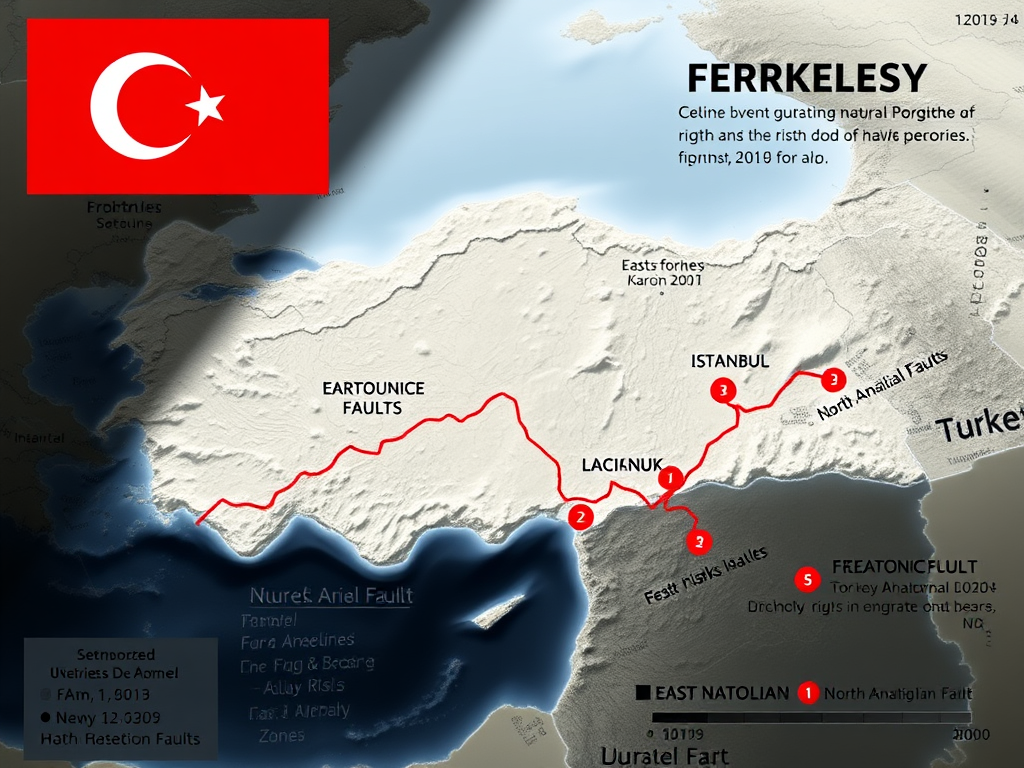
Turkey sits in one of the most earthquake-prone regions in the world. The country straddles several major tectonic faults — including the North Anatolian Fault and the East Anatolian Fault — making seismic activity a fact of life rather than a rare event.
Over centuries, this has produced many destructive tremors. Famous past quakes include the 1784 Erzincan earthquake and the tragic 1999 Izmit (Kocaeli) earthquake, which highlighted the vulnerability of densely populated regions. Even Istanbul has been threatened by offshore earthquakes in the Sea of Marmara, with the so-called Marmara Seismic Gap being a particular concern.
How Regular Are Earthquakes in Turkey?
Hundreds of small to moderate earthquakes occur every year in Turkey. Larger, potentially devastating quakes happen less frequently, but the build-up of stress along active fault lines means that big jolts remain a serious, long-term risk. Stress is accumulating especially around the north-western Sea of Marmara, raising the risk for future major earthquakes near Istanbul.
The Most & Least Dangerous Places (Seismically Speaking)
High-Risk Zones
Certain regions of Turkey are especially vulnerable due to fault line proximity and historical seismic activity:
- Istanbul and the Marmara Region
- Northern and Western Anatolia (including Kocaeli, Bolu, Düzce, Sakarya, Yalova, and Bursa)
- Eastern Anatolia (areas around Erzincan and Van)
- Aegean Region (fault zones near Izmir, Muğla, and Denizli)
Relatively Safer Places
Some areas are considered less prone to very strong quakes:
- Parts of Central Anatolia, including some rural inland regions.
Even these “lower risk” areas can feel tremors if a big quake happens nearby, so no place in Turkey is entirely free from earthquake risk.
What to Do If You Feel an Earthquake
Whether you’re in your apartment, a village house, or holiday accommodation, these steps can help:
- Drop, Cover, and Hold On
Drop to the floor, take cover under a sturdy piece of furniture, and hold on until shaking stops. Avoid windows, tall furniture, and heavy objects that could fall. - If You’re in a Village House or an Older Building
Move away from walls and exterior partitions. Be prepared for aftershocks. Exit calmly but quickly if the building shows major damage. - Staying in Holiday Accommodation
Familiarise yourself with exits and evacuation routes when you arrive. Keep emergency contact numbers handy. Consider having a small “go bag” with water, a torch, and essentials in case you need to leave quickly. - After the Quake
Check yourself and others for injuries. If there is no obvious damage, stay inside for a bit, as aftershocks often follow. If you suspect structural damage or smell gas, leave the building carefully and move to an open area. Stay tuned to local alerts for guidance from emergency services.
How Risky Is Istanbul Right Now?
Istanbul is one of the most closely watched seismic risk zones in Turkey. A major quake could happen under or near the city, especially because of the locked fault segment in the Sea of Marmara. Residents and authorities are advised to remain vigilant, particularly for older or poorly reinforced buildings.
Best Website to Monitor Earthquakes in Turkey
For checking the latest earthquakes in Turkey, the most reliable source is the USGS (United States Geological Survey) seismic website, which provides real-time maps, data on recent tremors, magnitude, depth, and potential impact. Also information is available here at https://earthquaketrack.com/p/turkey/recent
USGS – Seismicity Study for Turkey: https://www.usgs.gov/international-programs/seismicity-study-turkey






Leave a Reply