KETEM — Kanser Erken Teşhis, Tarama ve Eğitim Merkezi
Cancer Early Diagnosis, Screening and Training Centre in Turkey
Introduction
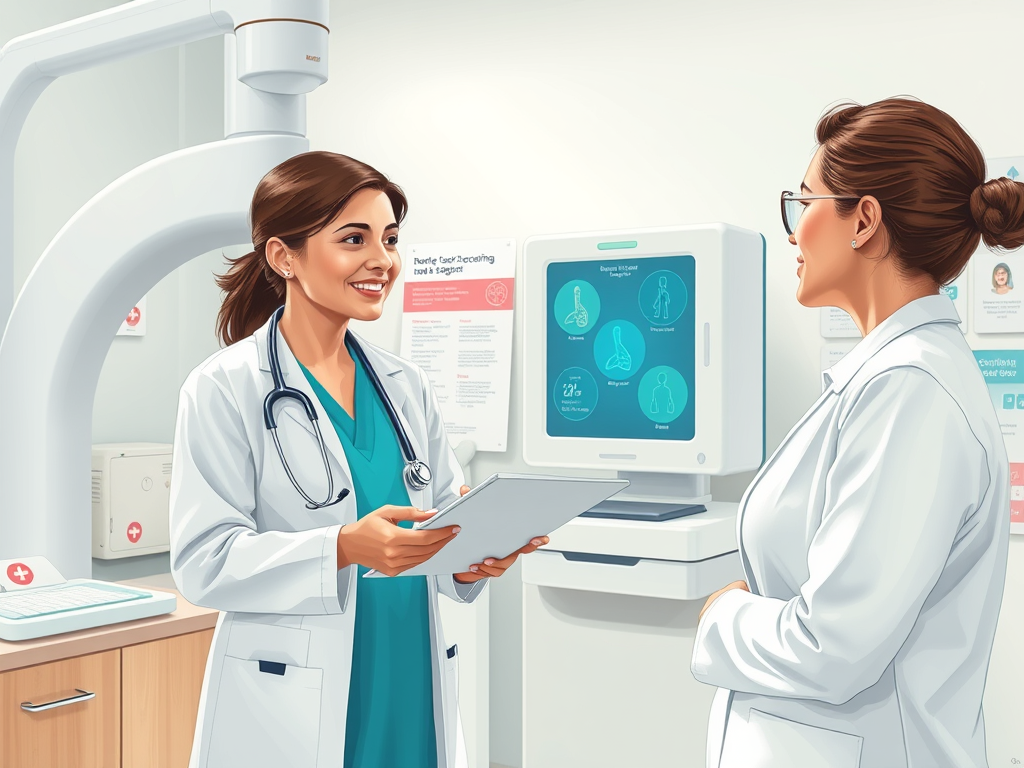
KETEM is Turkey’s national network of Cancer Early Diagnosis, Screening and Training Centres. Operated by the Ministry of Health, these centres provide organised screening programmes, education, and referral services for common cancers such as breast, cervical, and colorectal cancer. Their purpose is to detect cancer at its earliest and most treatable stage while increasing public awareness across the country.
Core Services and Screening Programmes
KETEM centres provide free, population-based screening services for the following:
Breast Cancer Screening (Mammography)
- Target group: Women aged 40–69
- Recommended frequency: Every 2 years
- Conducted using mammography, often combined with a clinical breast examination.
Cervical Cancer Screening (Pap Smear / HPV Test)
- Target group: Women aged 30–65
- Recommended frequency: Generally every 5 years, using a Pap smear and/or HPV DNA test.
Colorectal Cancer Screening
- Target group: Men and women aged 50–70
- Recommended frequency: Every 2 years
- Screening is performed using a faecal occult blood test (FOBT / GGK), with colonoscopy arranged if needed.
In addition to screening, KETEMs provide counselling, diagnostic follow-up when results require further examination, and ongoing community education on cancer prevention and lifestyle risk factors.
Mobile KETEM Units
Many provinces operate mobile KETEM units, which bring screening services directly to neighbourhoods, rural villages, public institutions, and community events. These mobile units often include mammography equipment and help ensure that residents who live far from medical facilities can still access essential cancer screening services.
Cost and Accessibility
All screening services offered through KETEM are completely free for eligible individuals.
KETEM centres operate under provincial and district health directorates, and most major cities have multiple locations as well as mobile service vehicles.
Booking an Appointment
Appointments can be arranged through:
MHRS (Central Appointment System)
You can book online via the MHRS website or mobile app. Appointments require a Turkish ID number or e-Devlet login.
ALO 182
This is the Ministry of Health’s national call centre. Simply phone 182, and an operator will book your appointment at the nearest KETEM.
Some centres also accept direct calls for information, and provincial health directorates often publish local contact numbers and visiting hours.
What to Expect During Screening
Breast Screening
A mammography exam is carried out in a private clinical setting. Patients are asked to remove upper clothing, and previous mammogram results can be brought along if available.
Cervical Screening
A Pap smear or HPV sample is taken by a trained health professional. Patients are advised to avoid sexual activity, douching, or vaginal medication for 48 hours beforehand where possible.
Colorectal Screening
A small stool sample is collected at home using the provided kit. If the test is positive, KETEM arranges referral for a colonoscopy.
If any screening test returns an abnormal result, KETEM coordinates further imaging, examination, or specialist referral.
Why KETEM Is Important
Cancer outcomes improve significantly when diagnosis happens early. KETEM plays a crucial role in:
- Detecting breast, cervical, and colorectal cancers before symptoms appear
- Providing equal access to screening services across Turkey
- Educating the public about cancer risks and prevention
- Offering free services that reduce financial barriers to early care
As a result, KETEM helps reduce cancer-related deaths and strengthens national public health efforts.
Useful Information
- Screening services are free of charge.
- Target ages: Breast 40–69, Cervical 30–65, Colorectal 50–70.
- Booking: Use MHRS or call ALO 182.
- Mobile units regularly visit towns, villages, municipalities, and public institutions.






Leave a Reply